

A Greenman is watching over you
The following texts and images are the results of a training exercise to go from the pictures of a museum piece to the creation of a 3D restored version of it. It’s a documentation on some processes and constructions. These particular models are the result of hypothesis that resulted in a certain amount of artistic licence, making them artistic renders and not scientific restorations. If you wish to know more about the process, this article will give you the explanations you need.
This time, the exercise is a little different. Just for fun, we’re going to try to make a piece more ancient than it really is.
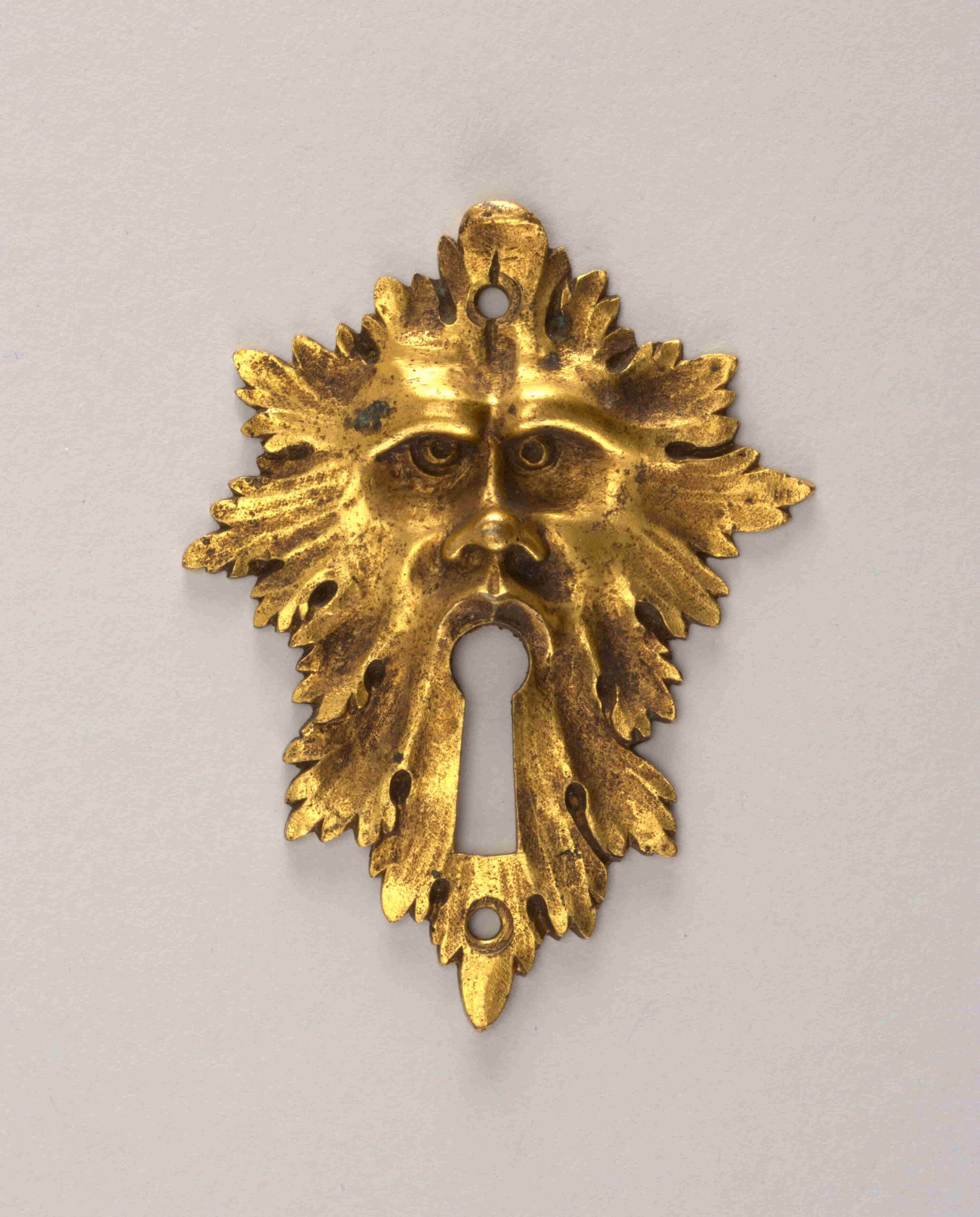
Title: Escutcheon
Accession Number: 1925-1-37
Datation: 19th century
Provenance: made in Italy or France
Dimensions: 7 x 5.5 x 0.4 cm
Media: Bronze, gilt
Source image: Cooper Hewitt, Smithsonian Design Museum
Description and Historical context
The figure of the green man
The Green Man is one of these ornamental figures that seem to defy time in Western history of art. Ever present, though remotely, it’s something everyone has already seen without really noticing it.
Moreover, it seems this figure is present under different forms in cultures spread out across the globe, from Mesopotamia to Wales.
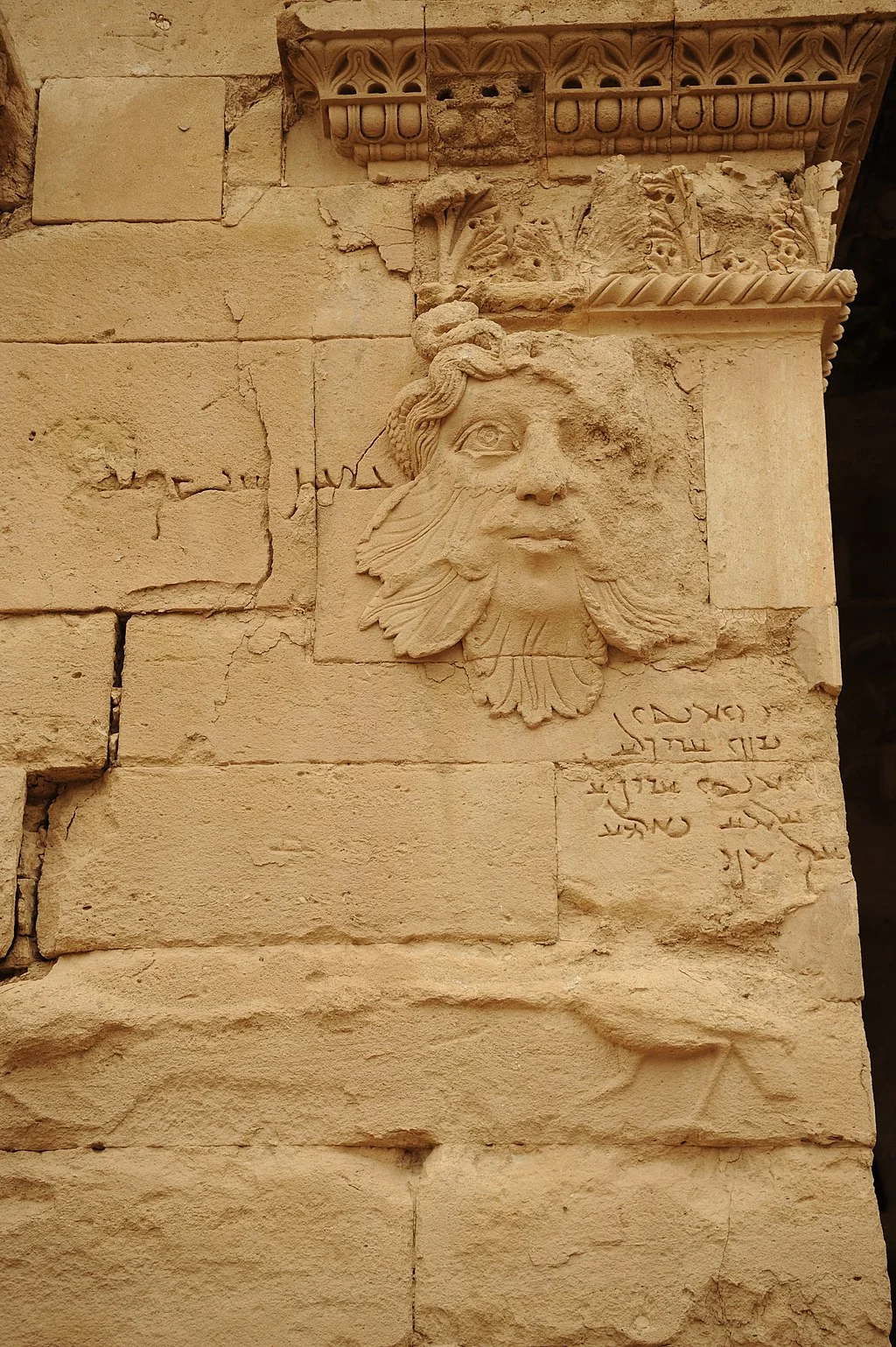
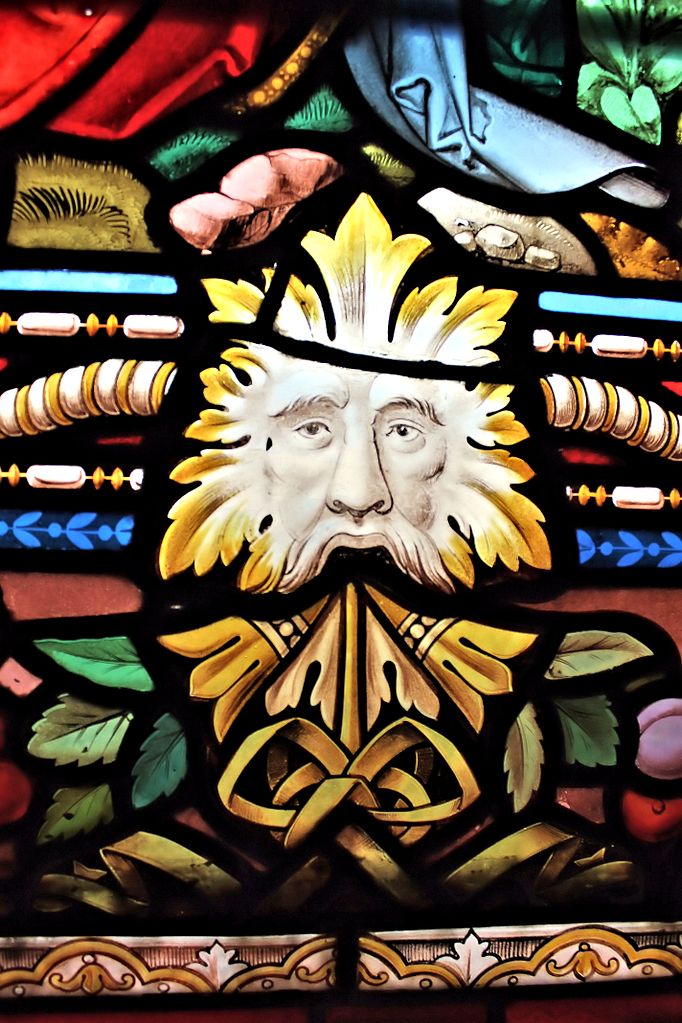
Whether a man peering out of the foliage or a man’s head made out of foliage, there are numerous variations of this figure. There seems to be a link between this figure and the forest, spring, and the renewal of life. This element is so old in whichever culture it’s in that the meaning it first had is now lost. I’ve always thought fascinating these representations so old that their stories, if there ever was one, is now a mystery. According to folklore studies, these myths are still around. They have merged into other stories to the point they have developed a life of their own, untethered from their original forms.
As a decorative element, it had resurfaced regularly, from the 18th century French grotesques to the turn of the 20th century Arts and Crafts movement. The piece we’re looking at today is dated a century before that. Stuck somewhere between a baroque in search of renewal and a second Empire style aiming at making new shapes with old references, or a maybe a Victorian world looking for the same thing.
But what on Earth is an Escutcheon ?
Firstly, it’s a hilarious word. Then it’s… basically a decorative plate to protect something. I learned while researching this article that in the case of a keyhole, it doubles as a security device. It prevents the keyhole from being drilled. It also prevents the door being scratched when one misses the keyhole with one’s key. I love the idea of the little guy watching over our doors and ourselves.
Visible condition report
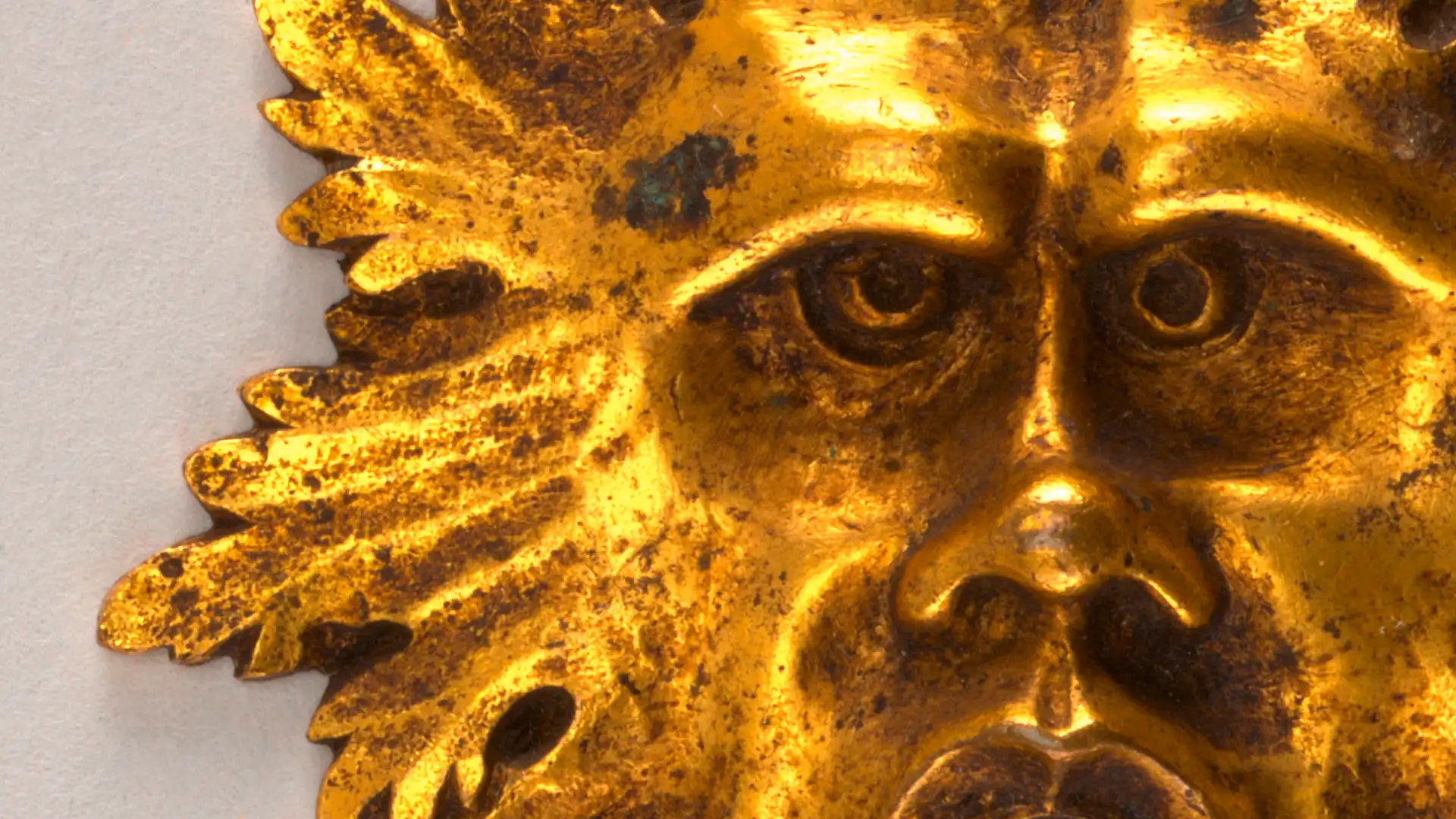
The piece, preserved in the Cooper-Hewitt collection at the Smithsonian, is in almost perfect condition.A few scratches and oxydation spots, slight darkening of recesses: these all are fairly common alterations for this kind of work.
But, the challenge here is that it only has the one full-frontal picture. As an exercise, it will be interesting to try to imagine a digital 3D piece inspired by it. I’m going to try my best at reproducing it, making educated guesses as I go and letting my stylus roam free. Maybe one of you, dear reader, has access to the real piece and will be able to tell me how far I’ll be from the truth at the end of the process !
Creation of a 3D model of the piece
Disclaimer : this is an exercise, shown for documentation purposes only
Quick studies
Once again, I only have one point of view as reference and no way to go and see the original. In order to ease the sculpting process, I must try to imagine what the other sides look like.
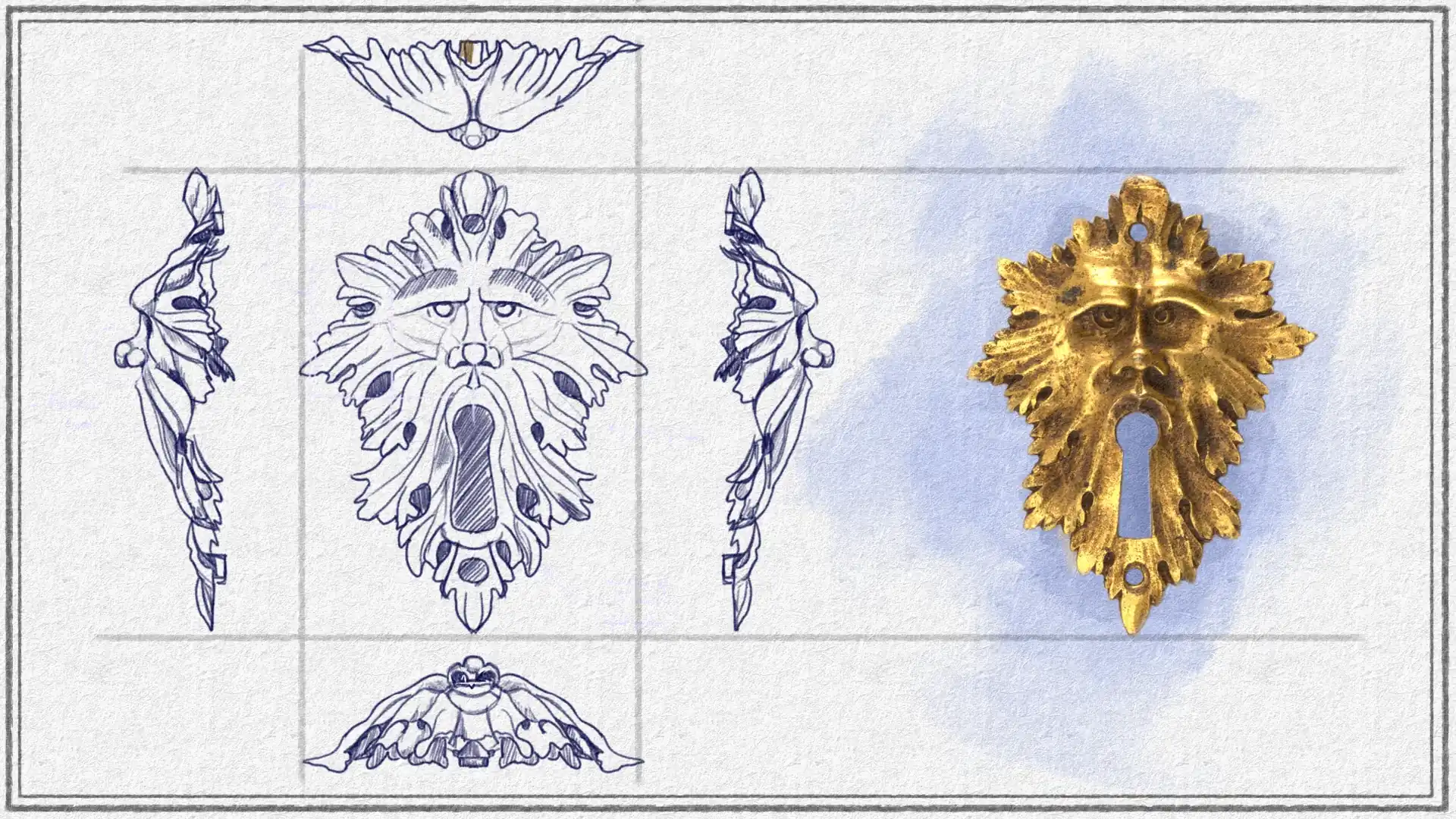
Model the shape
With a proper turnaround, patience and work we can then have an interesting result. He looks grumpy, but my guess is that it is because he’s bored. You’ll undoubtedly notice that I did not insert it into a full slab as the original piece seem to be. The leaves’ ends are free. This is far from ideal from a safety point of view as it can be crowbarred easily. But it is a decision I made to facilitate the end result I have I in mind. So, please forgive me this little quirk and bear with me !
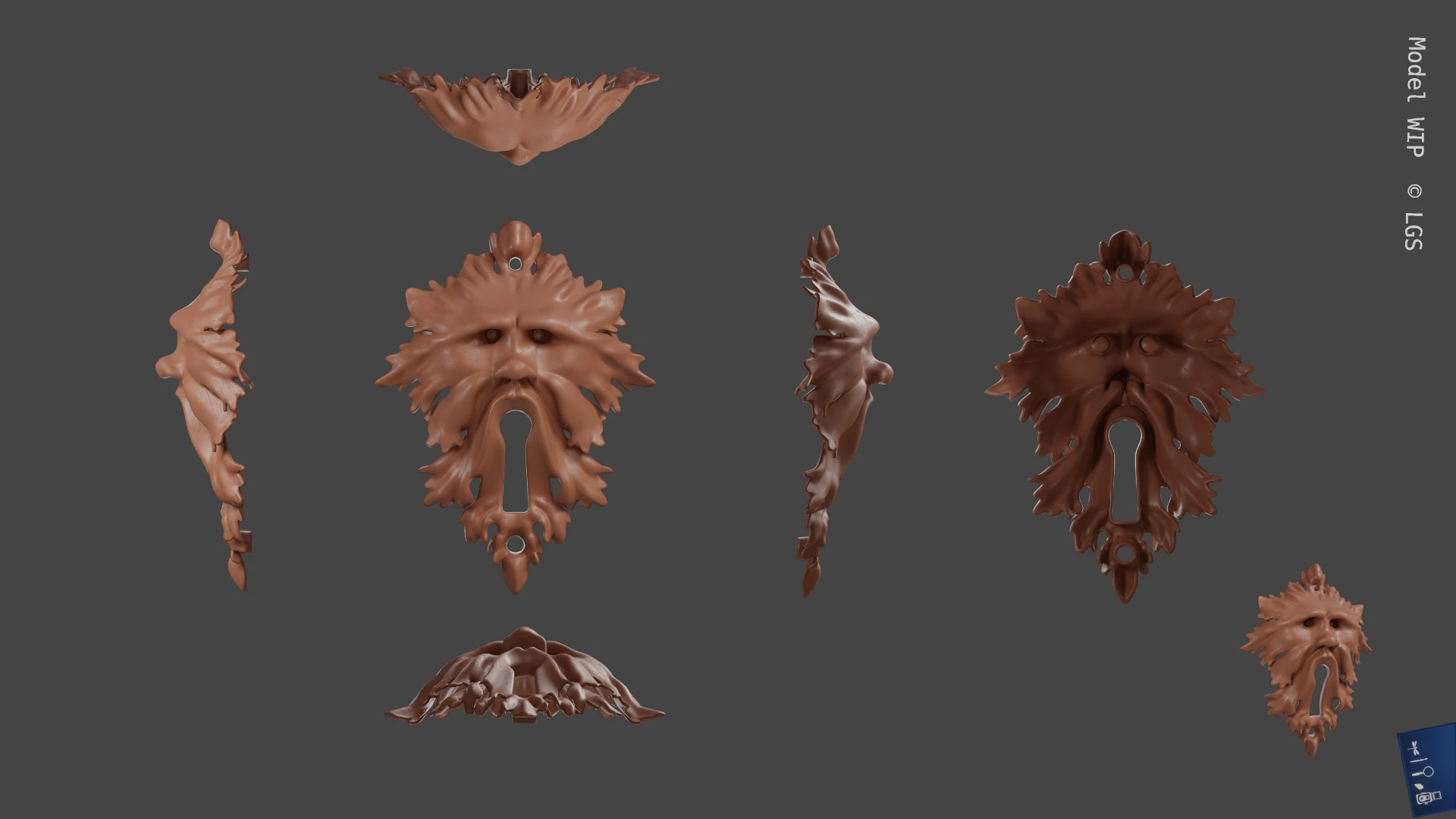
Texture the shape
Gilt bronze is an interesting technique. It has a very specific texture: a kind of metallic dull golden yellow with orange to red undertones. Common from the 17th to the beginning of the 19th century in France, the production technique of ormolu was a health hazard in and of itself. It makes heavy usage of mercury as a solvent for gold powder (the words in French are “or moulu”, litterally “grounded gold”). The solution is then painted on the piece and heated.
Mrs Kisluk-Grosheide, from the Metropolitan Museum, underlines two interesting points, firstly, “…most objects, however, were not gilded, but simply cleaned by being dipped in acid and then lacquered with a clear or yellow varnish, which gave them the appearance of gold”.
Then, and that is linked to the first point, through damages done by regular use, the objects were then either revarnished or re-gilded sometimes multiple times during the span of their lifetimes.
As far as we are concerned, that means the usual conundrum of what aspect should we choose to show. The last apparent one ? An “original” one ? You all now probably know the ineptitude of that statement, so let’s forget about it immediately.
We can try to create a generic ormolu effect using visual keys from references in museum collections, that is to say professionally identified as such.

So, seeing the first tests, that is maybe not not such an interesting idea. As we are working on an existing piece, I think there is no real interest in that regard. A 3D scan of the piece will give an almost perfect replica of its texture. One we would never be able to replicate as precisely on our own.
We can also try to create a more intriguing version of it by trying to imagine how the altered texture would be. I know you probably are thinking that it’s a very niche idea, catering mainly to a conservator’s psychosis. I mean, you’re not wrong. But, must we really have the “who’s holding the keyboard” conversation again, thank you very much ?
I, of course, see it mainly as another way to explore a material. Tell me how you alter, and I can, in most cases, tell you who you are. So, how does it look when a gilt bronze surface gets old and alters ?
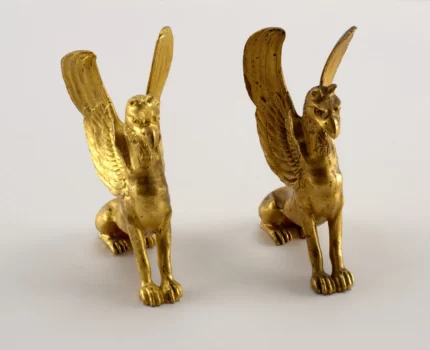
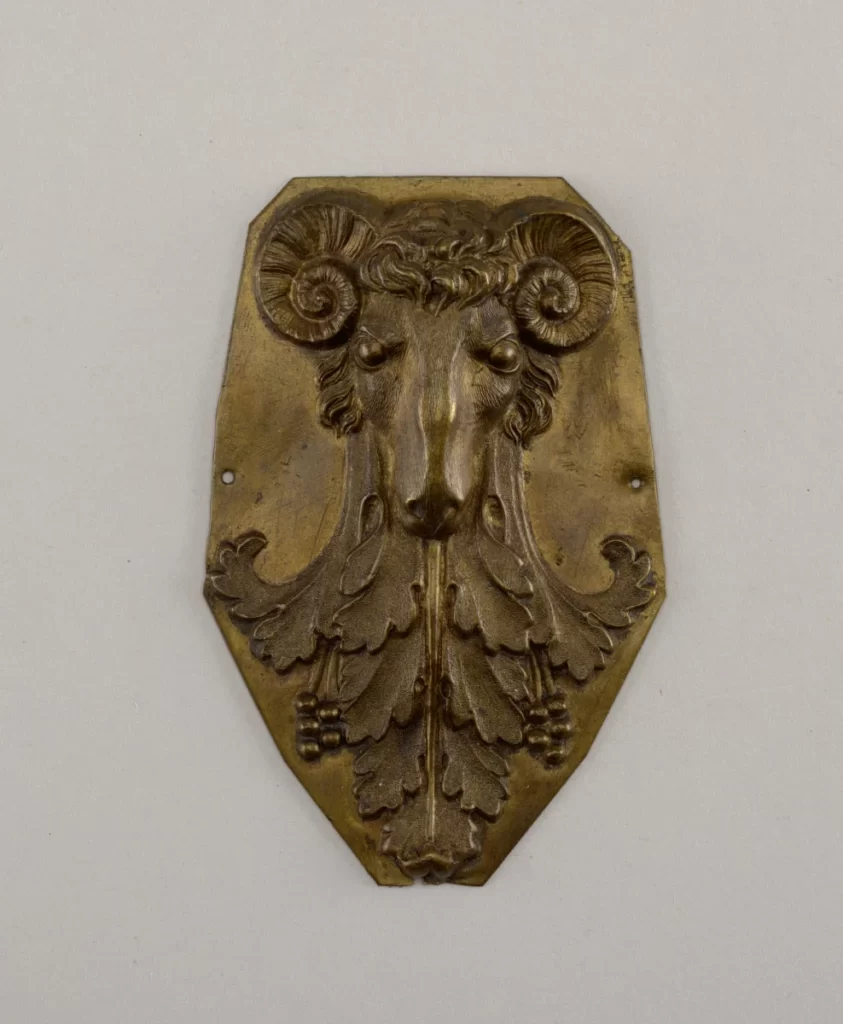
Thankfully, online museum collections can help us answer this question. Note, however, that this is still a perilous exercise.
Though I am sticking to pieces from a similar time frame with “gilt bronze” as medium description, I can’t be certain without the shadow of a doubt that the exact same technique was used. I rely fully on experience and practice to create hypothesis, and as such I can make mistakes. Particularly in what is an almost exclusively iconographic exercise (thankfully, there are a few pieces I know IRL).
That is why I am limiting the perimeter of this search to decorative mounting pieces. There can be no sculptures, no rich surtout de table and no main decors. These most likely were finished using gold leaves. They’re not always identify as such and/or have been modified since the gilt bronze application. Beware the “marchands-merciers” !
Cooper Hewitt, Smithsonian Design Museum
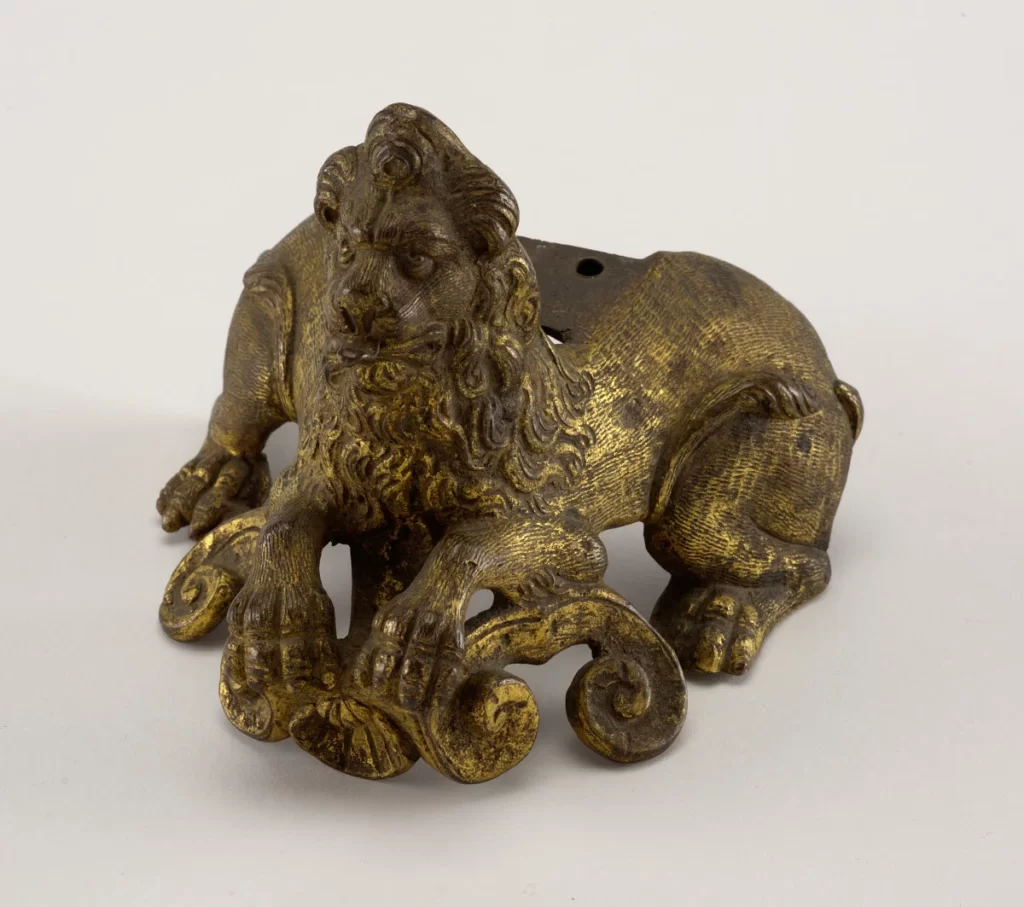
Cooper Hewitt, Smithsonian Design Museum
Gilt bronze ages and alters, unsurprisingly, in a two-folds manner : mechanical and chemical.
The mechanical part is mainly via usage and bad design. Any bits protruding are susceptible to breakage. People brushing past usually reduce these parts to stumps in a heartbeat. Despite its inherent toughness, the bronze surface will get marks from events like blows, scratches, bumps, and hairline ripple patterns from over-enthusiastic polishing. The chemical part is tougher to imagine mainly because it can come from numerous sources. The main ones would be :
- atmospheric: damp atmosphere, fumes from chimneys fires, acidic emanations from the wood support they’re on etc) and
- human: skin “oils” touching them
- the natural tendancy of bronze metals to follow more or less a copper alteration timeline (going verdigris)
- the progressive disparition of the yellow overlay (both mechanical and chemical)
We can digitally try to reconstruct a fake alteration process using these few remarks.
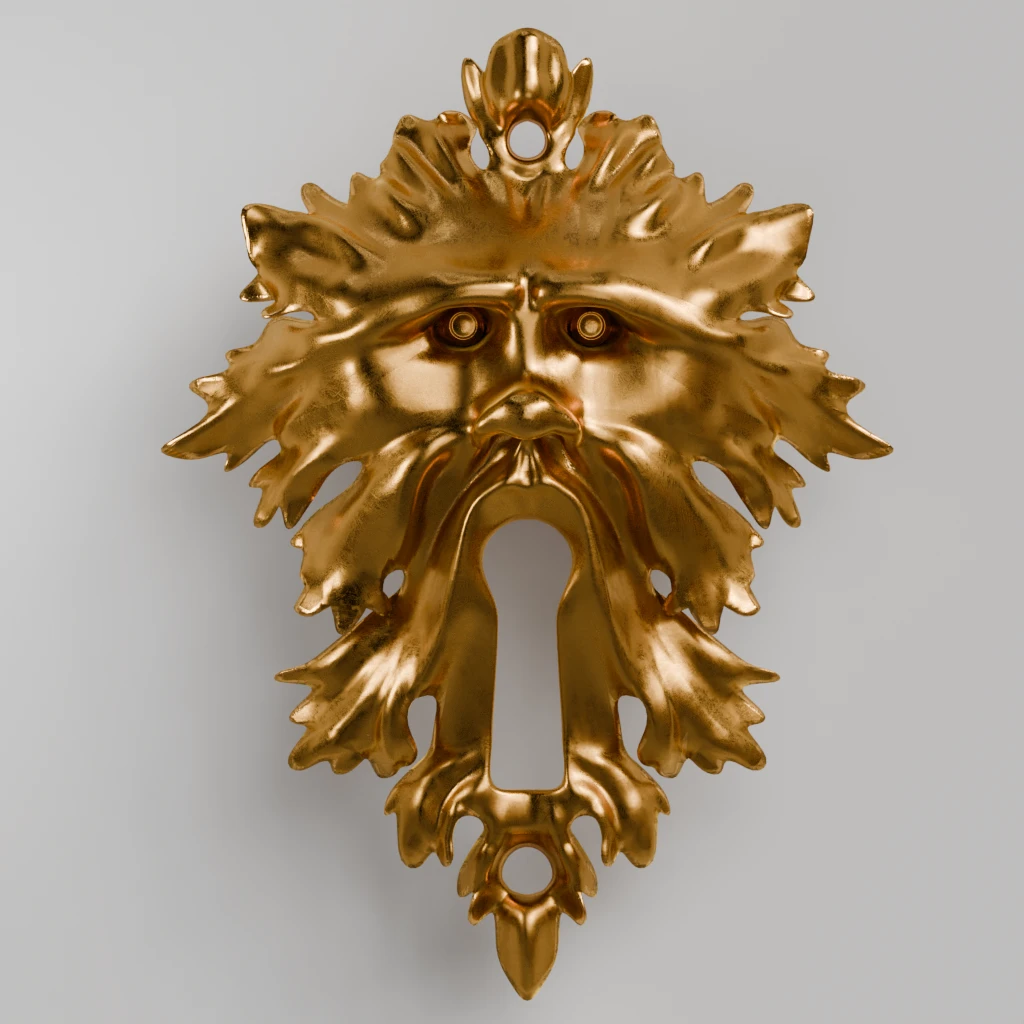
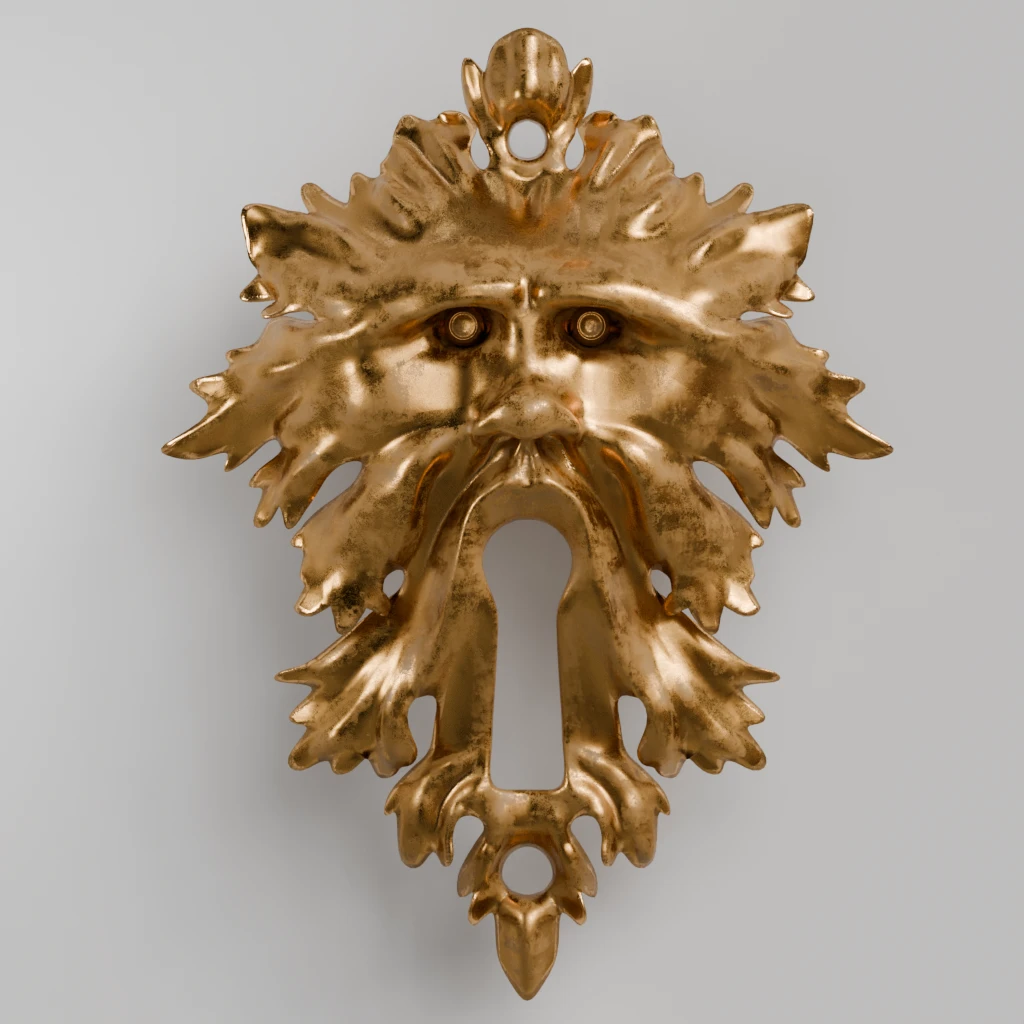
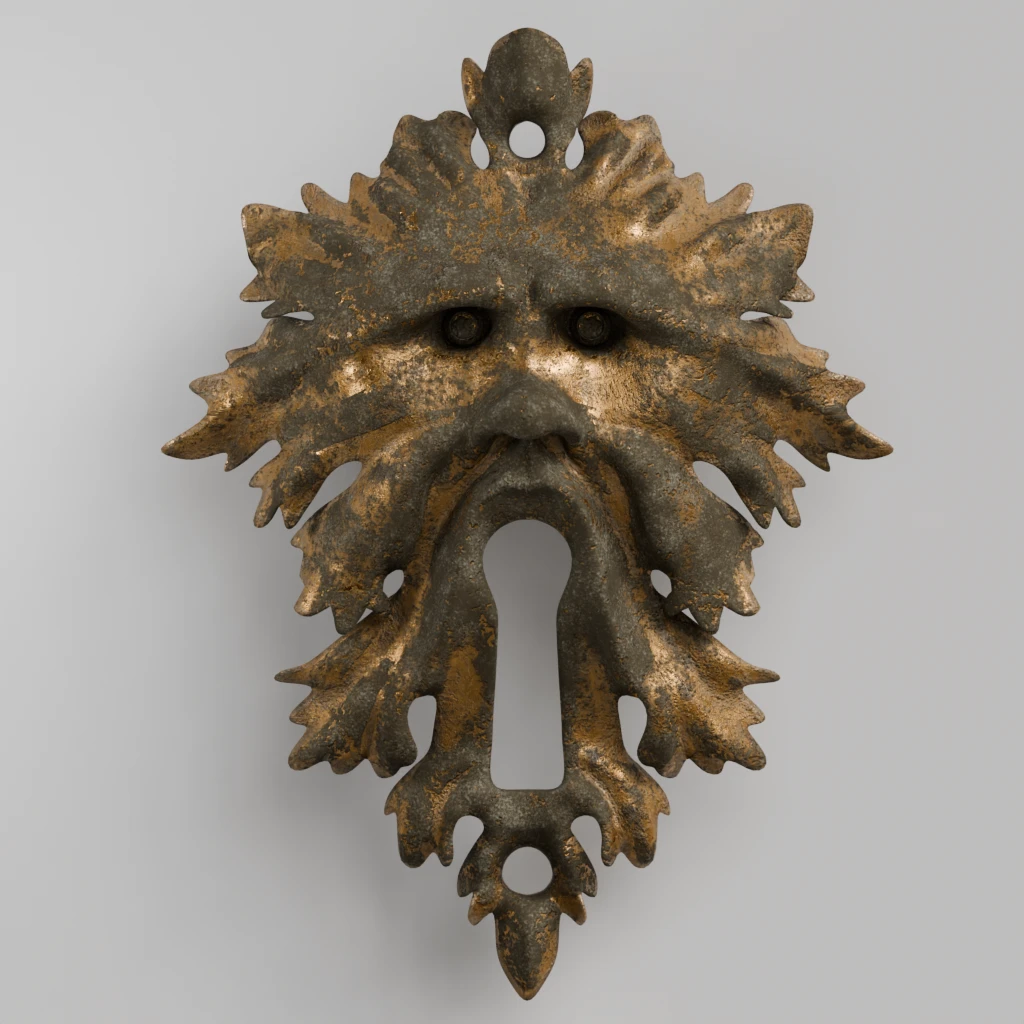
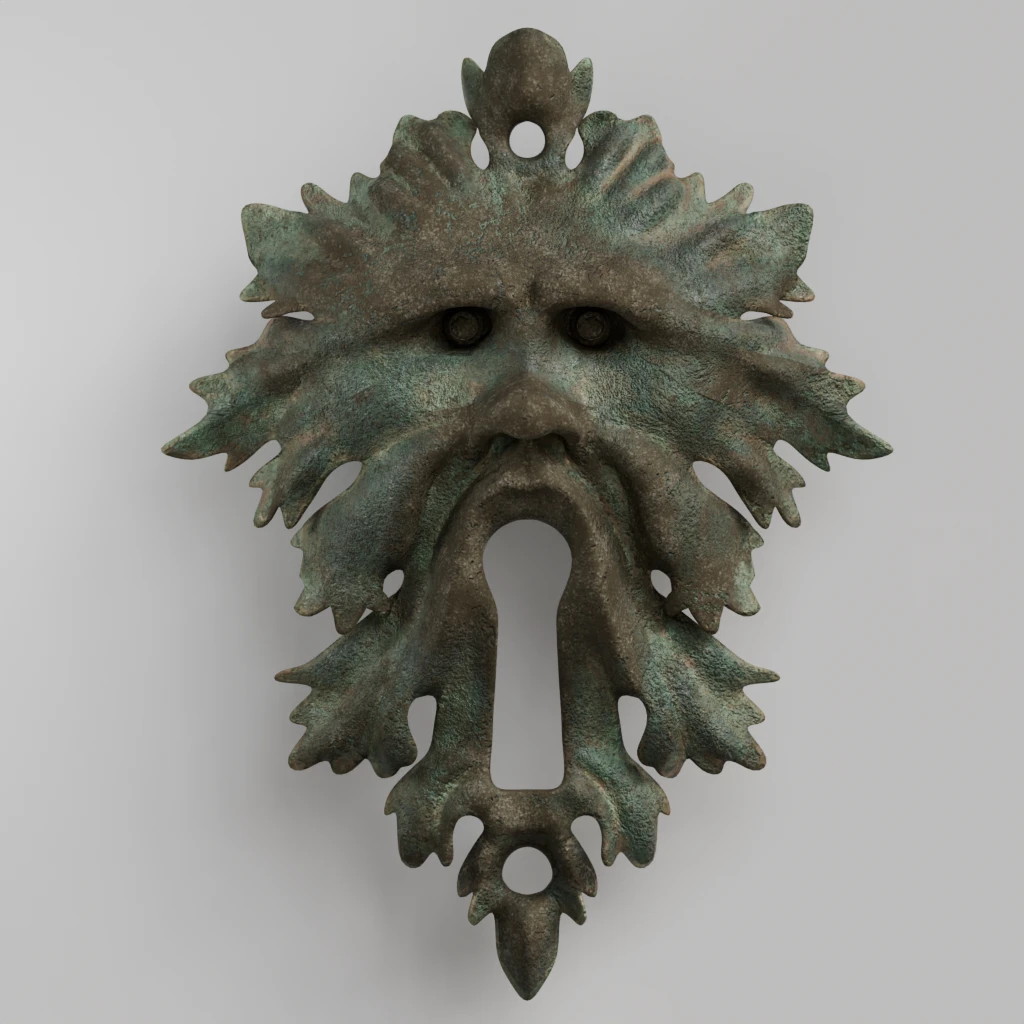
Four textures for the same piece ! We can now pick and choose. Choice is always good !
Still pictures using Blender Cycles render engine
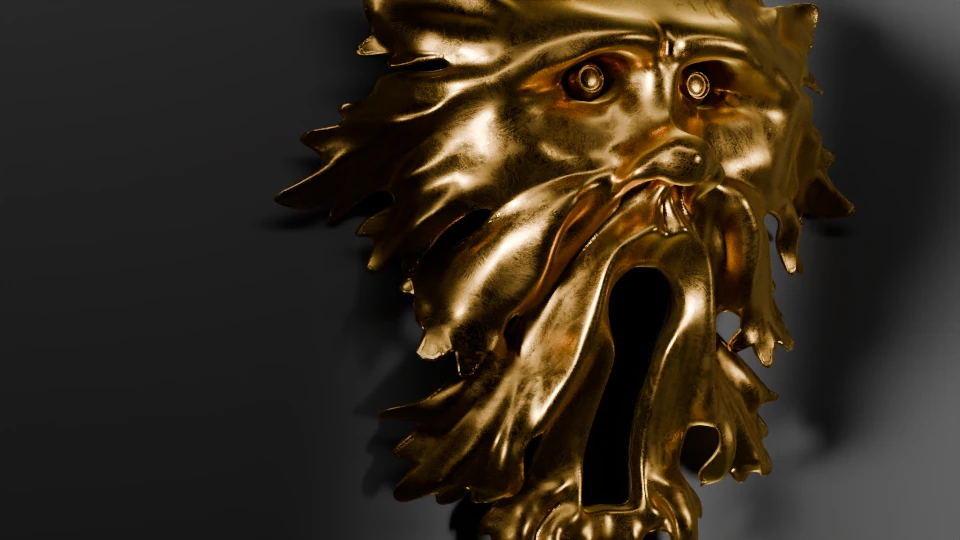
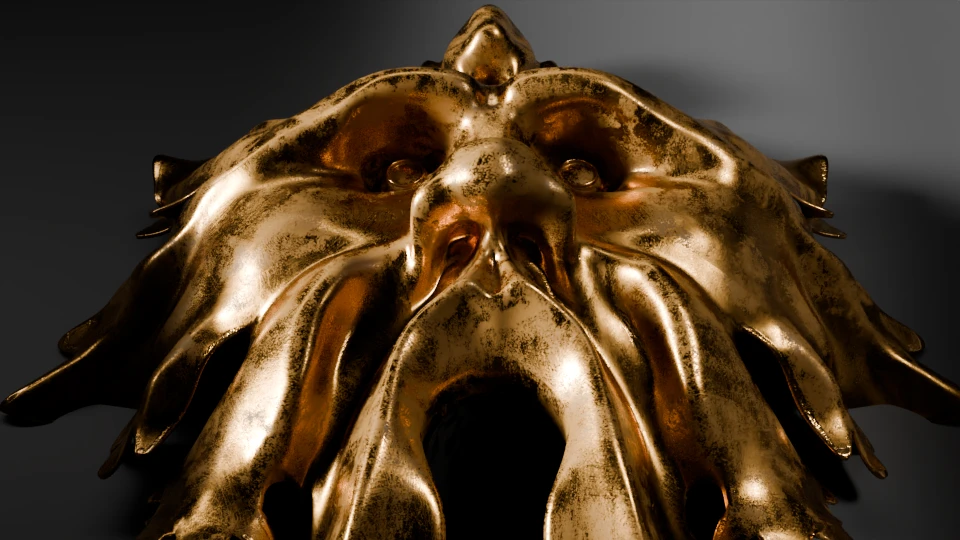
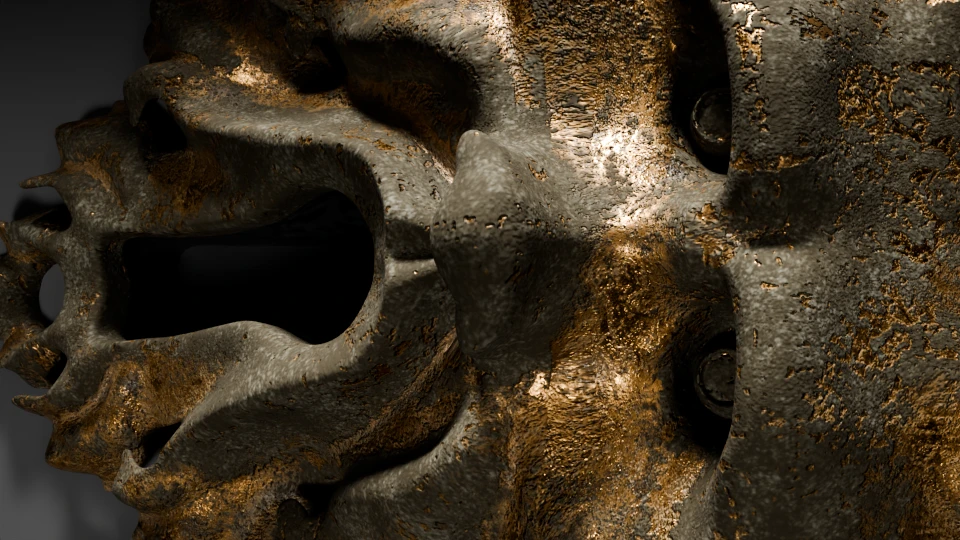
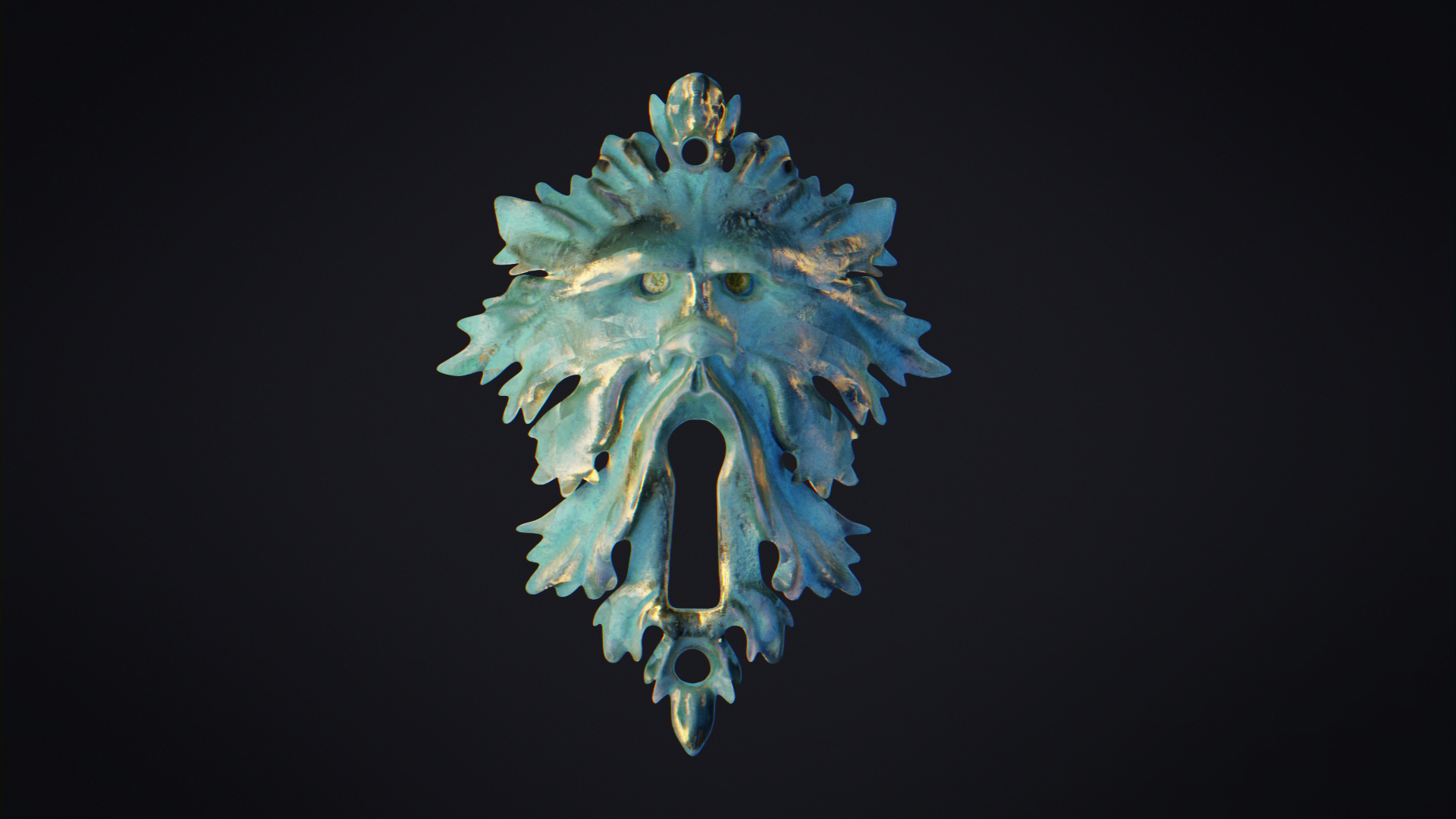
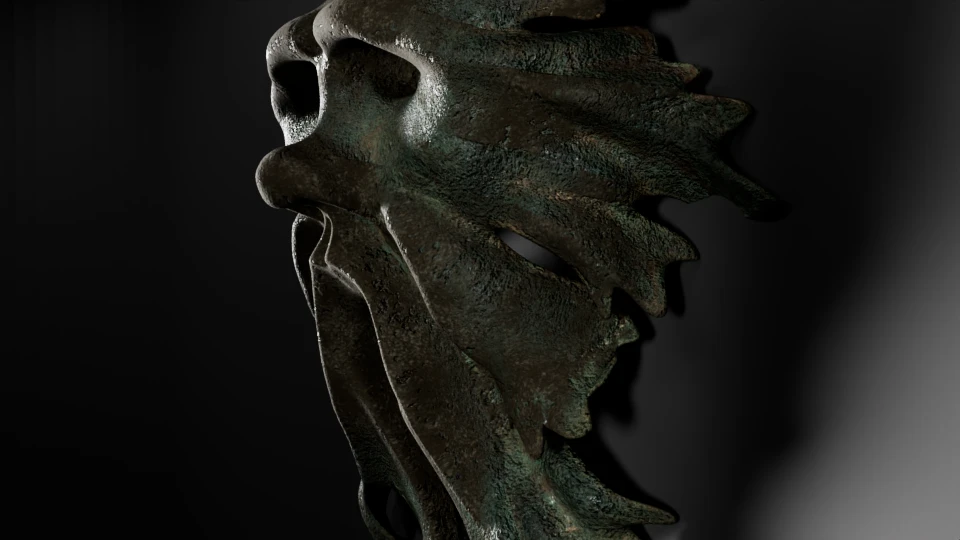
3D View
Disclaimer : technical limitation to material render in web app can let artefacts show, particularly in zoomed views.
For those interested, this is a low definition model upon which simple maps are placated.
See the full screen view (this will open a new tab in your browser).
Doesn’t it look like it wants to talk ?
How about trying to make the little man talk ? I mean, because it is looking after our door, it’s only fair it can also communicate with us !
I know, I know. Put that on the “roll as you go” kind of project. Now, as I’ve already mentioned, animation is not my forte and making anything talk is knowingly tricky. Hence, all the more interest for this exercise as a training practice.
How about trying to create a short animation where the escutcheon comes to life ? Let’s see what we can make in another article !
Credits
Bibliography
Kisluk-Grosheide, Daniëlle O. “The Art, Form, and Function of Gilt Bronze in the French Interior.” In Heilbrunn Timeline of Art History. New York: The Metropolitan Museum of Art, 2000–. http://www.metmuseum.org/toah/hd/gilt/hd_gilt.htm (April 2008)
Images and references
Pair of seated griffons with outstretched paws and raised wings, ca 1830, France, INV n°1904-21-1-a,b , CC0, Cooper Hewitt, Smithsonian Design Museum
Ram’s head with acanthus leaves. Two holes for mounting, early 19th century, Italy, INV n°1925-3-16, CC0, Cooper Hewitt, Smithsonian Design Museum
Couchant lion with haunches spread, the back spanned by a flat plate with three holes, probably for attaching to base of candlestick. Protruding tongue, two tails, shell and volute scrolls, 18th century, Italy, INV n°1937-80-9-a,b , Cooper Hewitt, Smithsonian Design Museum