

Bubbles and code
The following texts and images are the results of a training exercise to go from the pictures or the description of an artifact to the creation of a 3D digital double, sometimes restored version of it. If you wish to know more about the process, every explanations are in A journey into learning a (3D!) restoration process workflow article.
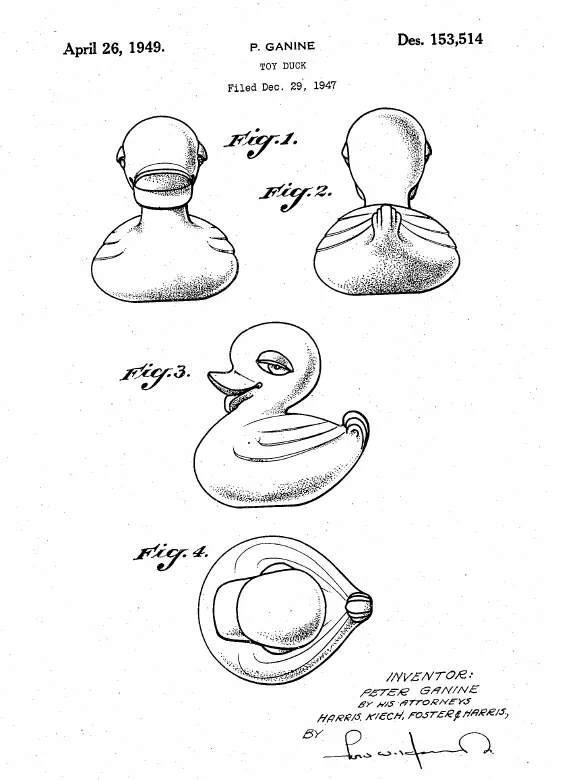
Title: TOY DUCK, patent filed Dec. 29′, 1947 by P. Ganine and granted Apr. 26, 1949 Des. 153,514
Datation: 1949
Provenance: USA
Source file: US patent 153514 of a duck design for a toy by Peter Ganine
Description
Historical context
Toys for everyone
A toy by any other name would be as fun ?
The history and usage of toys in the world is a fascinating subject but a terrifyingly gigantic one.
Archaeologically speaking, “toys” were found in all eras, starting from prehistory. For a long time, whatever was not deemed scientifically “votive” was categorized “toy”. Don’t ask me why, and debate among yourselves how the society the historians lived in influenced their opinions.
Scientists concur to acknowledge that a toy’s roles are multiple: from cognitive, physical or emotional development to trainings. This goes for both children AND adults. The “fun” part is an added bonus, mainly stemming from, well, the fact we’re humans ? It seems we, as a species, learn faster and better (lasting effect and deeper impact) when we play.
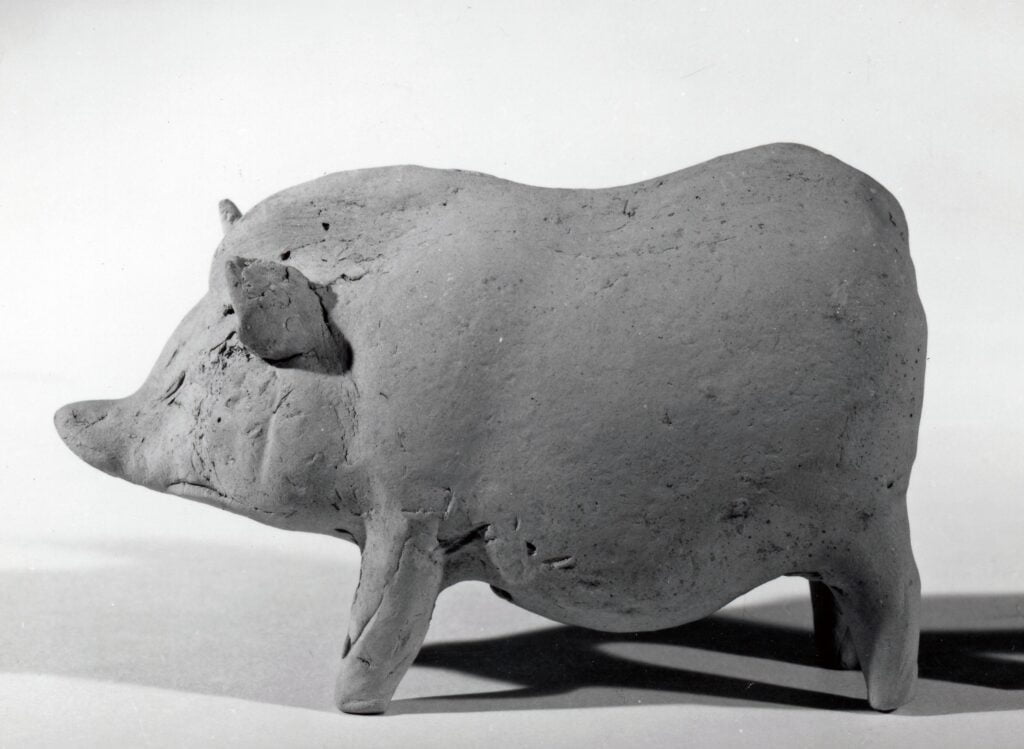
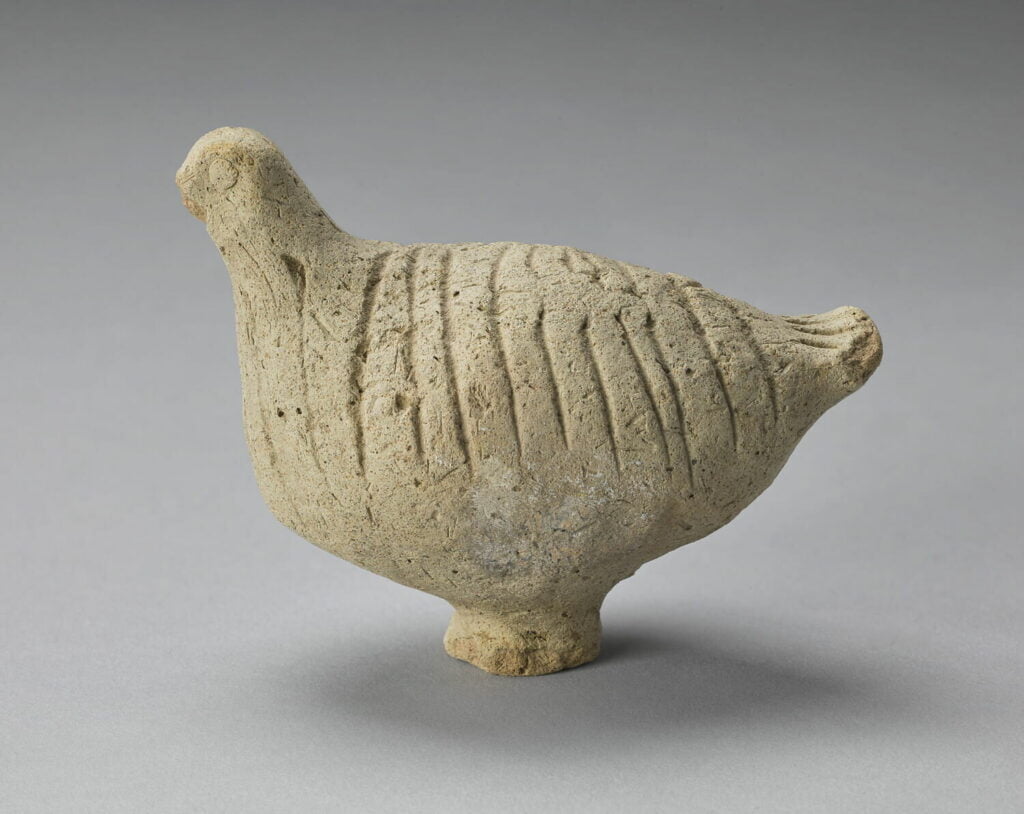
Fun fact, the oldest known toys are mostly doll’s of some kind and animal shaped elements.
Rubber ducks are numerous
Fast-forward to the 20th century and the invention of the rubber duck.
Spoiler alert: who, when and where is a mystery. The few sources about it have conflicting opinions.
One of the stories about the first rubber duck is that they were created by Russian-born Peter Ganine in the United States in the 1940s. He filed a patent for the design in December 29th of 1947, and it was approved in 1949. As far as I was able to fathom, it seems to be one of the earliest U.S. patents filed with this theme. Maybe one of you, dear reader, knows more about the subject.
Another patent for a duck design was filed in June 27th of 1948 by Robert Allen and Melvin Shaw. This page gives an informed history of the duck shaped patterns filed in the United States.
A quick search on Google art shows that the concept of rubber ducks is declined ad nauseam. The “floating in the bath”. iteration being, surprisingly, not overwhelmingly present. But then again, I’m more of a turtle as a bath companion person myself.
There is one modern version that I particularly like.
Have you ever heard of rubberducking ?
It is “a method of debugging code by articulating a problem in spoken or written natural language”.
In short, you explain the issue you have while coding to a rubber duck on your desk. By putting it into intelligible words, it forces your brain to synthetize and choose key points in the process, to put it in perspectives. 99% of the time, this is conducive to you finding a solution. I’m being told it also works with pets, teddy bears and plants.
This is where the idea of modelling a 3D version of a rubber duck emanated for me. I clearly am the type of person that talks to whatever is present around me while developing -curses included-, I can see the need for an ever present digital buddy
The “wonderful world” of plastics
Note that the patents all point to a shape and never mentions a material in which the design is to be done. Historically, though, these designs were most of the time done in plastics.
The post second world war period sees the exponential development of plastic made goods.
We’re far from the first tries of man made plastics, i.e. not coming from the latex of
Hevea brasiliensis. Most of the plastics that are being produced henceforth are derived from fossil fuel-based chemicals (petroleum or gas). They are created and manufactured to specific needs, both for their processing ease and their physical capacities.
In 1872, Eugen Baumann was one of the first people to synthetized and isolate Polyvinyl chloride now refer to as PVC. It’s a white and brittle solid once cured. This compound remained a lab curiosity until 1926 when the addition of plasticizers allows for its industrial production.
The expanding children market still makes extensive use of PVC and other plastics. Easy to process by injection moulding, colourful and relatively sturdy results combined with a powerful marketing strategy gives a reliable product. We can also cite polyethylene (hula-hoops, 1957, plastic version) or Acrylonitrile Butadiene Styrene (LEGO blocks, 1947) among the most used plastics by toy makers.
The creation of new types of plastics is still an intensive industrial field of research. The growing concern from consumers about the ecological impact of plastics orienting it more towards renewable sources and recyclable compounds.
The work of Peter Ganine (1900-1974)
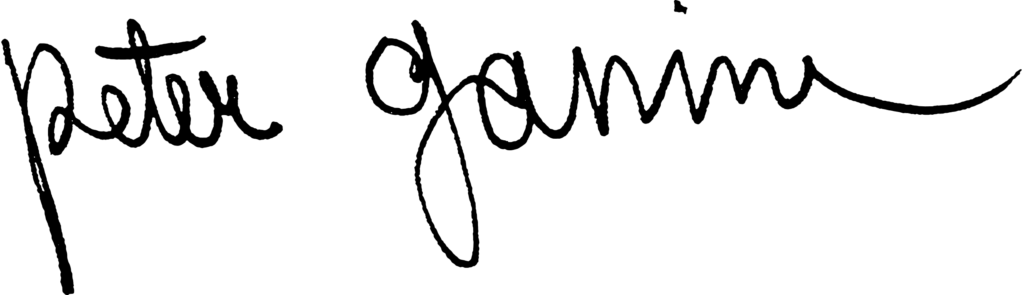
Peter Ganine has also patented other animal designs, like a toy lamb or a cat.
His most famous commercial work is a chess set that can be seen in episodes of the series Star Trek.
Creating a 3D version
Disclaimer : this is an exercise, shown for documentation purposes only.
How to do it: a 3D reconstitution process

Model the shape
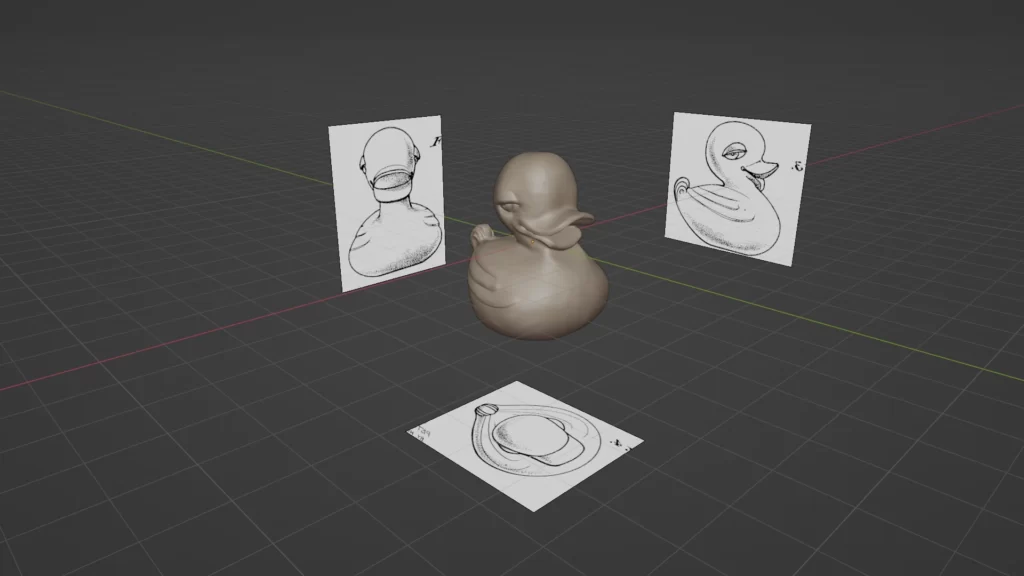
The model will be an interpretation based on the turnaround views given by the expired patent (ended in 1963).
It has not been possible to trace a preserved model made from this patent.
Which is weird considering that it allegedly sold around 50 millions… Now, it is not a secret that plastic materials notoriously don’t age well, to say the least. Even conservators are often at a loss as to how to stop the material from degrading.
If any of you, dear reader, knows and can photograph an existing Ganine duck, please let yourself be known !
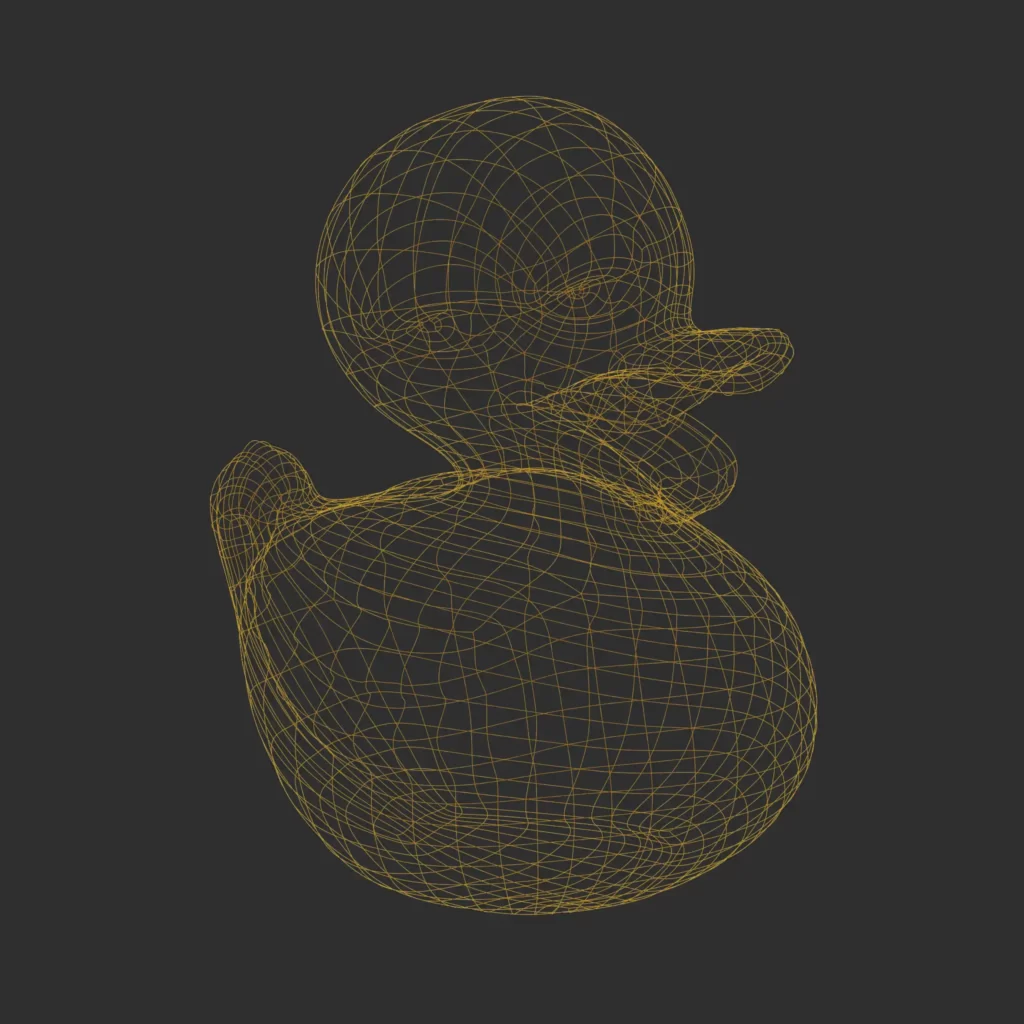
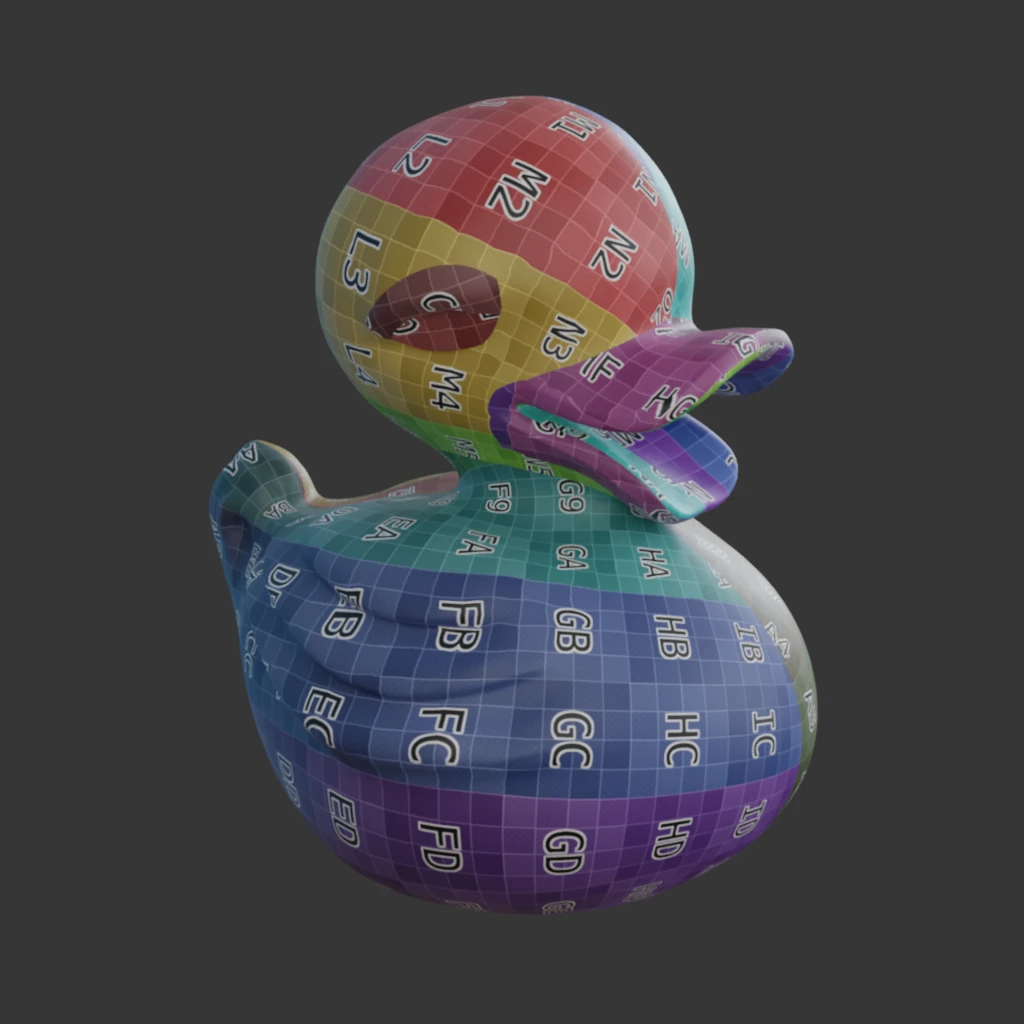
Here’s where we’re at:
Texture the shape
The patent protects the shape, but it says nothing as to the material and the colours. Let’s assume it can either be PVC or Polyethylene.
The manufacture process is akin to the one used for moulded dolls, as can be seen in this video about from 1945 in a toy factory in England:
Source: Toy factory 1945, Pathé archives
Chances are that the pieces were painted and varnished after moulding, so the result can be glossy and shiny.
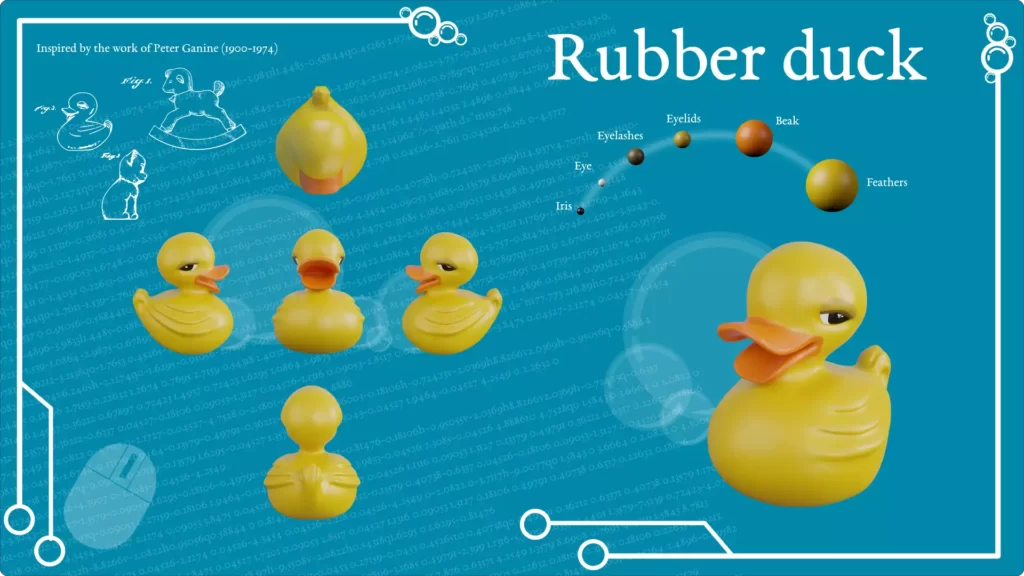
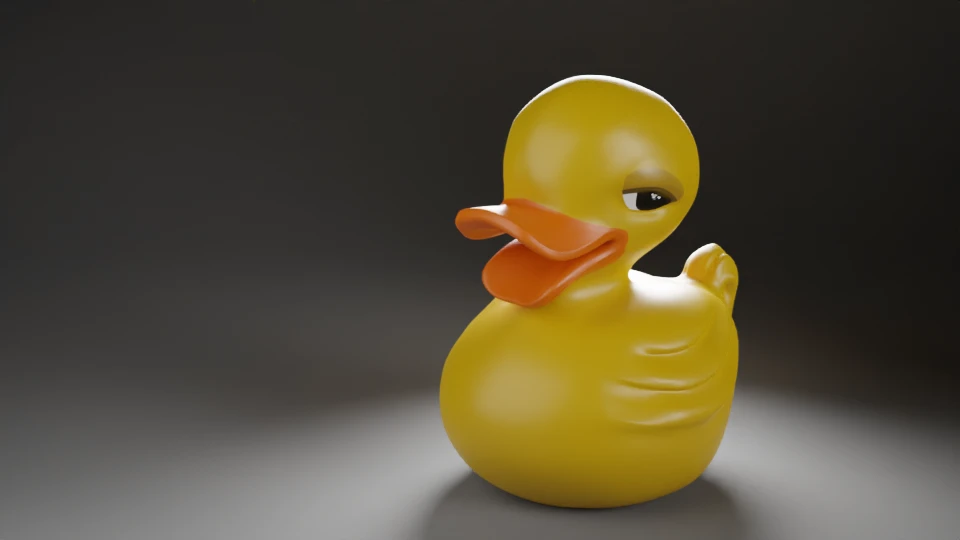
Let’s make the hypothesis that the eyes, lids, and bill were painted afterwards. That allows us to access different colours. A modestly thorough search of internet databases of “rubber” ducks in museum collections reveals that the 1945’s is the period where they acquire their familiar aspect. So a yellow duck with orange bill, white eyes and black irises it is.
Seeing the other toy models of the period, my guess is that they were might also have been diffused colour accents (think pink hue on dolls head cheeks) but there is no way for me to be certain of that.
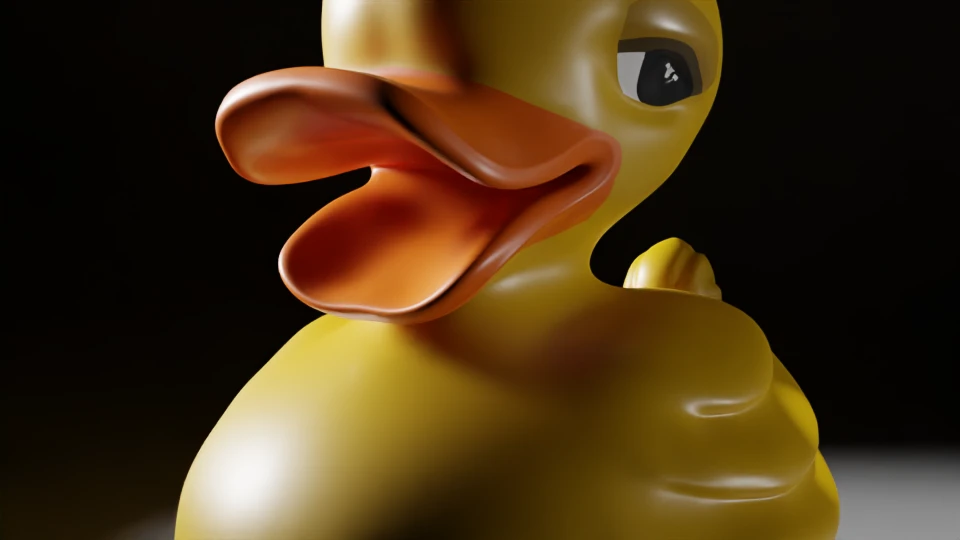
The eyelids and lashes situation is not as easy as I initially thought. I’m not quite sure what the intent of the author was: should they remain modelled only, or do they have a distinct colour ? I’m choosing the latter, just because I think the duck looks cuter that way. I know perfectly well it isn’t a valid scientific choice.
Grumble all you want, it’s my duck and my putative coding companion we’re talking about.
Still renders
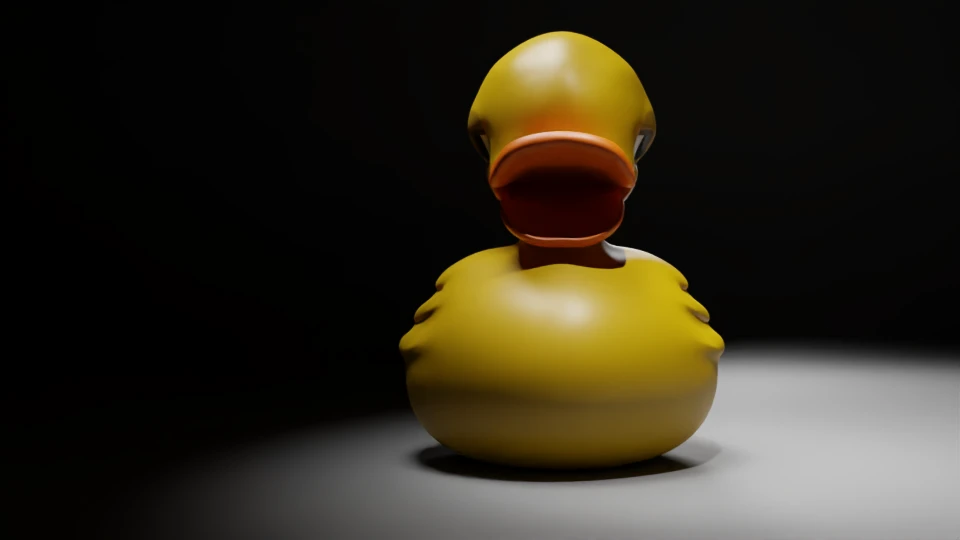
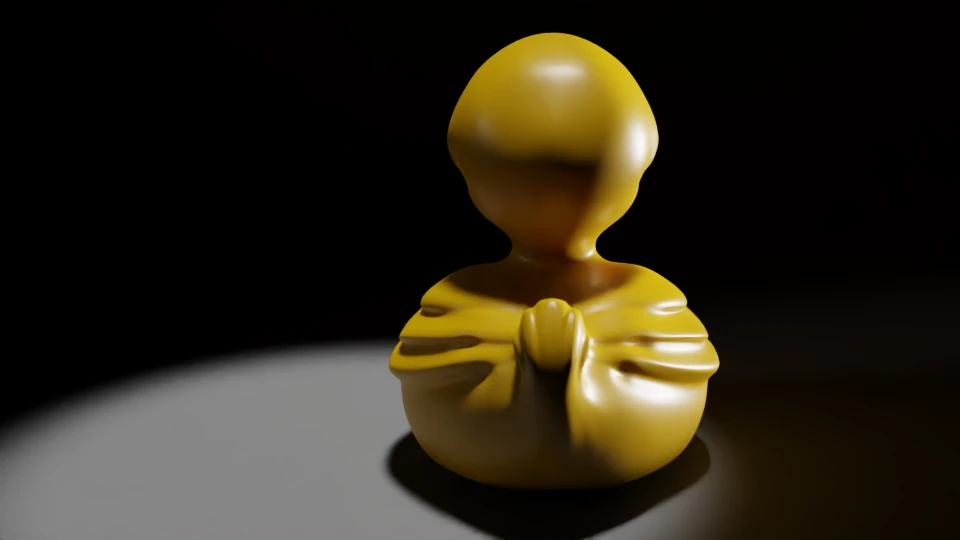
Here’s the final result !
Stills renders using Blender
How about a little -wet- context ?
Let’s try to imagine the ecosystem these palmipeds (without actual palms) were living in at the time, i.e. a 1950s American bathroom.
If you want to know more about the creation of this scene, there is a dedicated article on the subject.

Interactive rendering
All hands on code: making the model web available using Three.js
As I have previously exposed the method, I won’t bore you with the details. It’s relatively straightforward. A little cleaning up and tweaking of the rendering, and we’re done.
The model has some relatively simple materials, and I could have probably got away with fully coded ones. However, because the PBR version is already made, it’s easier to take that route. The computation time is not very different in that case.
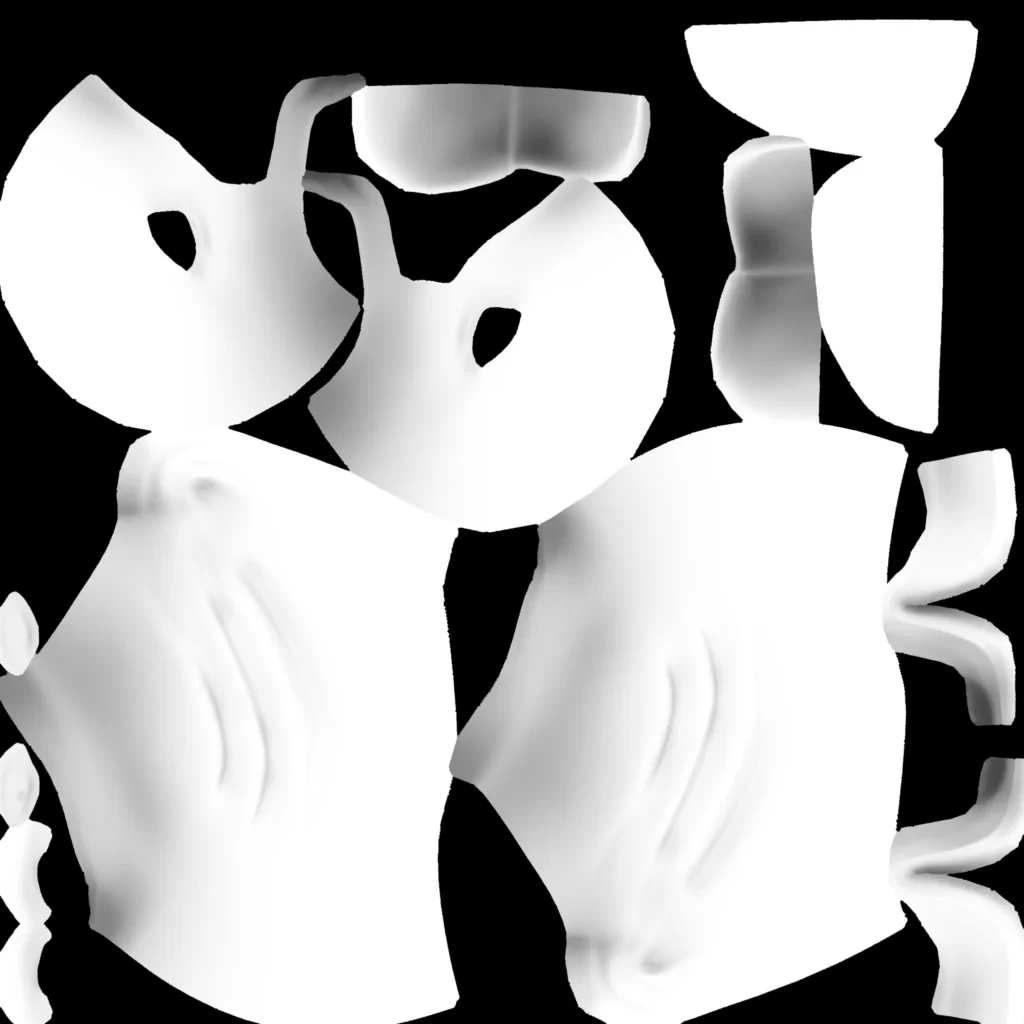
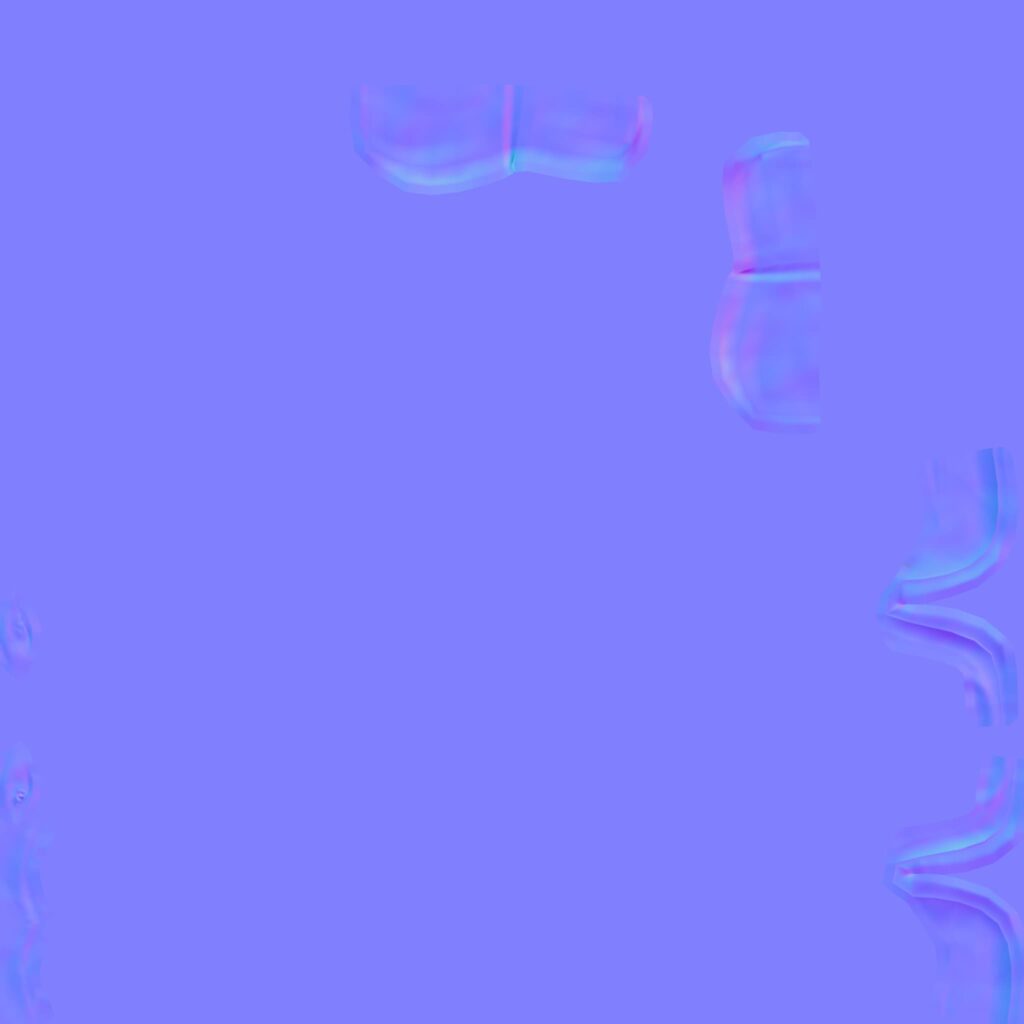
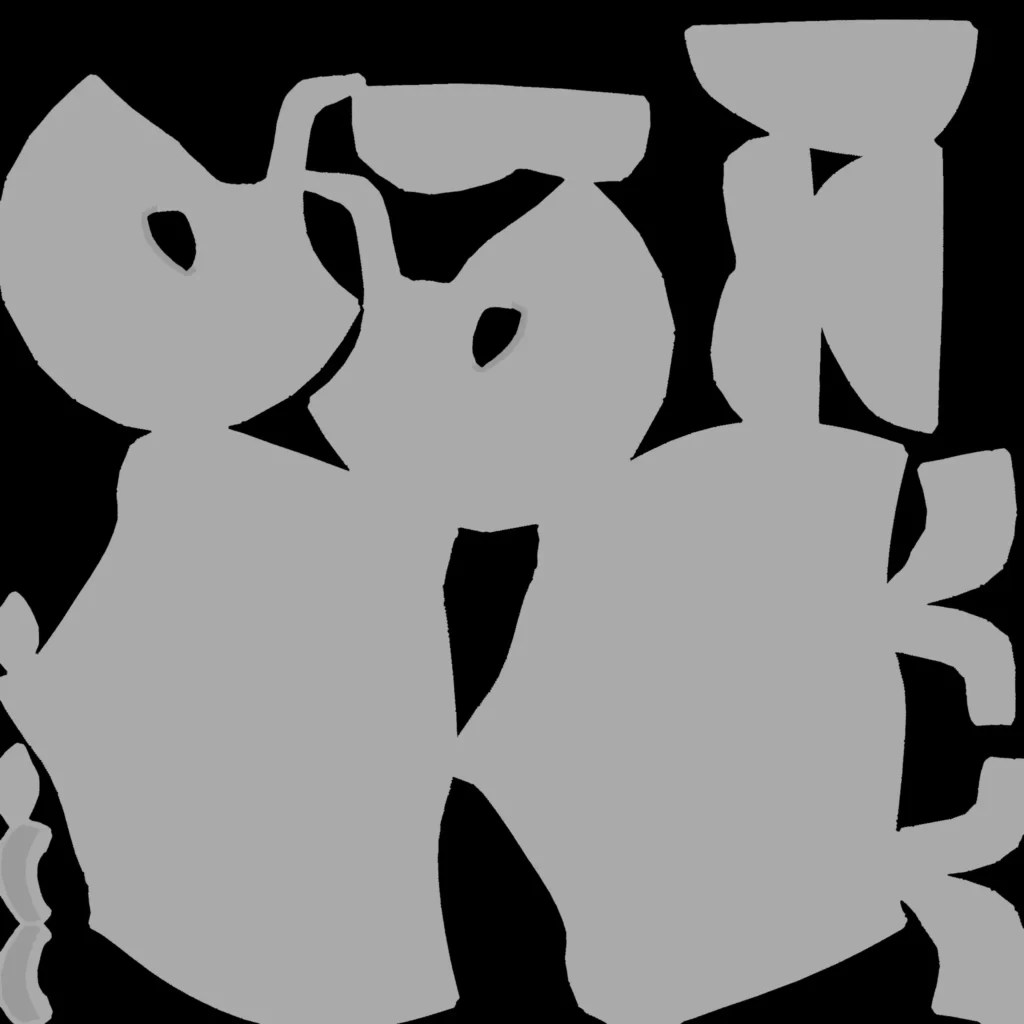
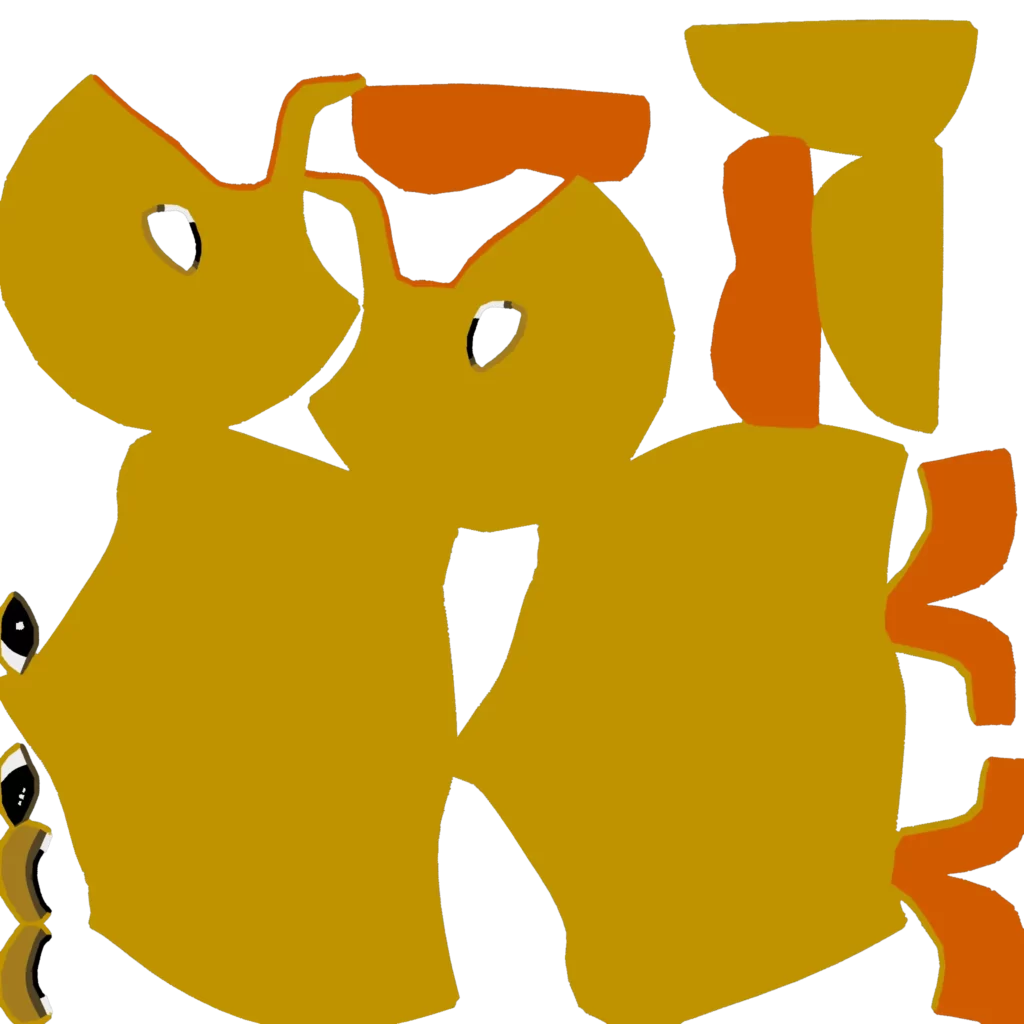
Code sum-up
Here are the most relevant lines of codes behind the materials of the model in the web viewer. Remember that I’m working with a JSON file to feed the model to the viewer, so the syntax is irrelevant here. Just gather the information you need from it !
{
 "map":"./assets/models/rubberDuck/texture/duck_ganine_diffuse.webp",
 "sheenColorMap": "./assets/models/rubberDuck/texture/duck_ganine_diffuse.webp",
 "aoMap":"./assets/models/rubberDuck/texture/duck_ganine_AO.webp",
 "normalMap":"./assets/models/rubberDuck/texture/duck_ganine_norm3.jpg",
 "displacementMap": "./assets/models/rubberDuck/texture/duck_ganine_norm3.jpg",
 "roughnessMap":"./assets/models/rubberDuck/texture/duck_ganine_rough.webp"
},
"values":{
  "aoMapIntensity": 0.005,
  "displacementScale": 0.02,
  "normalScale": [0.02, 0.02],
  "sheenRoughness": 0.5,
  "clearcoat": 0.2,
  "envMapIntensity":1,
  "needsUpdate" : true
}
3D view
Disclaimer : technical limitation to material render in web app can let artifacts show, particularly in zoomed views.
See the full screen view (this will open a new tab in your browser).
Share this model with your developer friends, so they can have a fallback in the horrendous occasion they forgot their coding buddies !
I have tested this one. It’s a very good listener.
Credits
Unless otherwise mentioned, all images credit to LGS.